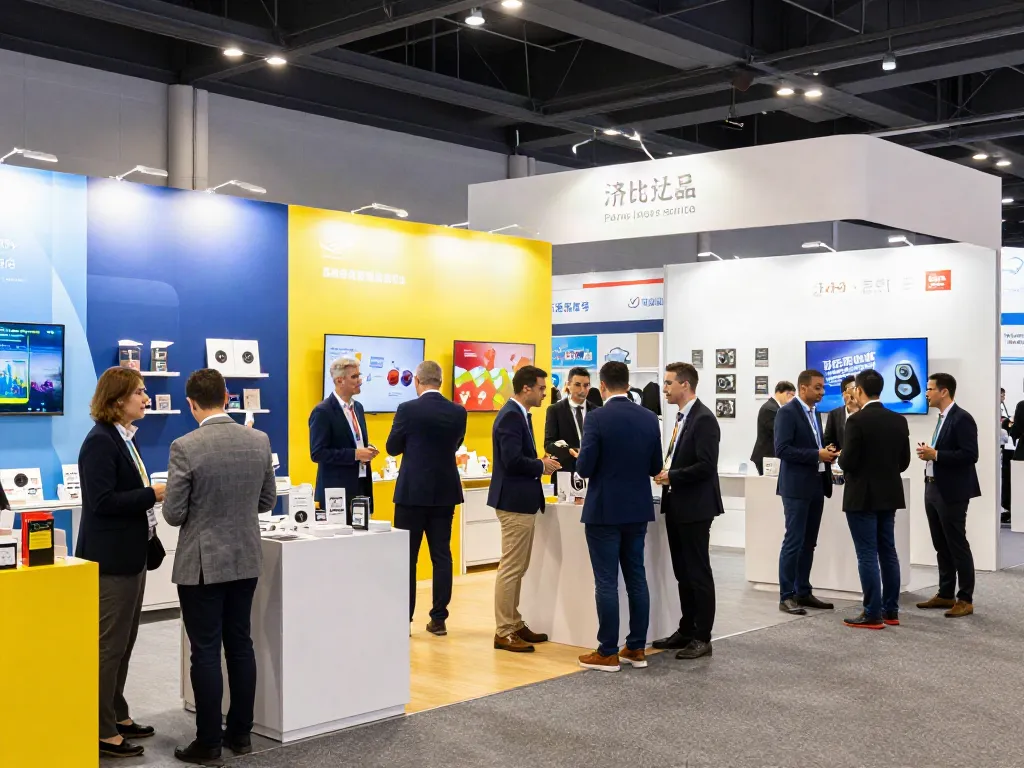
Understanding the Role of an Eksibitor in Trade Shows
In the bustling world of trade shows and industry events, the presence and performance of an Eksibitor play a pivotal role. These exhibitors, who showcase their products and services, are not merely participants; they are the lifeblood of these events. Their engagement, strategies, and overall impact determine not just their success but also the vibrancy and productivity of the event itself. Understanding the nuances of what an eksibitor is and how they contribute can significantly affect how businesses approach these opportunities.
What Defines an Eksibitor?
An eksibitor, commonly referred to as an exhibitor in English, is a company or individual that displays products or services at a trade show, conference, or exhibition. These participants are often tasked with educating attendees about their offerings, generating leads, and fostering networking opportunities. The role of an eksibitor can vary widely across different industries, from showcasing technological innovations in consumer electronics to presenting the latest in fashion design. Whatever the sector, the driving goal remains the same: to connect with potential customers and partners.
Importance of Exhibitors in Industry Events
Exhibitors are central to the success of industry events due to several reasons:
- Driving Innovation: They present new ideas and products, showcasing the latest trends that can shape markets and influence consumer choices.
- Networking Opportunities: Exhibitors create valuable connections not only with potential customers but also with industry peers, suppliers, and influencers.
- Brand Presence: Their participation enhances brand visibility and credibility, allowing companies to reinforce their market position.
- Feedback Loop: Interaction with attendees provides immediate market feedback, helping companies refine their offerings.
Common Misconceptions about Exhibiting
Despite their importance, several misconceptions about exhibitors persist. One common myth is that exhibiting is primarily about selling products on the spot. While immediate sales can occur, the overarching goal is often to generate leads and build relationships. Additionally, some may assume that all exhibitors gain equal benefits from events, but the reality is that effective pre-event planning and strategy significantly impact outcomes.
Strategies for Effective Exhibition Participation
Pre-Event Marketing Techniques for Eksibitors
Successful exhibition participation begins long before the event kicks off. Here are several effective pre-event marketing strategies for eksibitors:
- Targeted Outreach: Use email marketing and social media campaigns to reach your existing and potential customers, encouraging them to visit your booth.
- Leverage Partnerships: Collaborate with partners and co-exhibitors to enhance visibility and attract attendees to your collective displays.
- Content Marketing: Share valuable content that highlights your expertise and what attendees can learn from your presence at the event.
Designing a Stand that Captivates Visitors
The design of your exhibition stand is crucial for attracting visitors. Effective stand design should be visually appealing, aligned with your brand identity, and strategically planned to facilitate interaction. Consider incorporating:
- Interactive Elements: Utilize technology such as touchscreens or virtual reality to engage visitors.
- Clear Branding: Ensure your company name and logo are prominently displayed to enhance recognition.
- Comfortable Spaces: Create areas for relaxation and discussion to encourage attendees to spend more time at your stand.
Engaging Attendees: Best Practices for Interaction
Once the event is underway, engaging with attendees effectively is key. Here are best practices for interaction:
- Staff Training: Equip your team with the skills to initiate conversations, answer questions, and provide demonstrations.
- Promotional Incentives: Offer giveaways or contests to attract foot traffic and incentivize interactions.
- Follow-Up Mechanisms: Use technology to capture visitor information for post-event follow-ups, ensuring you maintain the conversation.
Maximizing Return on Investment as an Eksibitor
Setting Clear Objectives and Metrics
To gauge the success of your exhibition participation, it’s essential to set clear objectives. Common goals may include:
- Generating a specific number of leads.
- Launching a new product or service.
- Increasing brand awareness.
Budgeting for Success: Costs vs. Benefits
Budgeting for an exhibition involves not just direct costs such as space rental and booth design but also indirect costs such as pre-event marketing and staff travel. Conducting a cost-benefit analysis can help determine the financial feasibility and potential ROI of your participation.
Post-Event Analysis: Measuring Impact
After the event concludes, a thorough analysis is necessary to measure the impact of your efforts. Key metrics for evaluation can include:
- Number of leads generated.
- Post-event sales attributed to the exhibition.
- Feedback from attendees on your booth and staff performance.
Trends Influencing the Future of Exhibiting
Technological Advancements in Exhibitions
The landscape of trade shows is continually evolving, particularly with advancements in technology. Virtual reality, augmented reality, and interactive displays are becoming commonplace, offering unique experiences that engage attendees beyond traditional methods.
Shifts in Audience Engagement Expectations
Today's attendees expect more than a passive experience; they seek interaction and personalization. Engaging with audiences through tailored content and experiences will be crucial in attracting visitors in the future.
Eco-Friendly Initiatives in the Exhibitor Space
Sustainability is becoming a critical focus for many exhibitors. Implementing eco-friendly practices, such as reducing waste through digital materials and using sustainable materials for booth construction, can enhance your brand’s image and appeal to environmentally conscious consumers.
Case Studies of Successful Eksibitors
Highlighting Innovative Techniques Used
Case studies from successful exhibitors can offer valuable insights into effective practices. For instance, a notable tech company utilized gamification in their booth design, allowing visitors to participate in interactive challenges, which significantly increased engagement levels.
Lessons Learned from Top Exhibitor Performers
Examining successful exhibitors helps identify common themes that contribute to their success, such as strong pre-event marketing campaigns and strategic partner collaborations.
Applying Insights from Case Studies to Your Strategy
Use the insights gained from case studies to refine your own exhibition strategies. Focus on what worked well for others and adapt those elements to fit your unique offering and goals.
What is an Eksibitor?
An eksibitor is, fundamentally, any entity participating in a trade show or exhibition to promote their products or services. They play an invaluable role in shaping industry trends and consumer preferences through their direct engagement with the market.
How to Choose the Right Events as an Eksibitor?
Selecting the right events involves understanding your target audience and the industry landscape. Research different exhibitions to identify those that align with your brand values and have a proven track record of success in attracting your desired audience.
What Metrics Should an Eksibitor Track Post-Event?
Post-event metrics are critical for assessing the effectiveness of your exhibition. Key performance indicators (KPIs) may include lead conversion rates, social media reach and engagement post-event, and overall attendee feedback.
How to Enhance Networking Opportunities as an Eksibitor?
To maximize networking opportunities, consider pre-scheduling meetings with key contacts and using social media to announce your presence at the event. Providing an appealing booth environment can also encourage spontaneous networking.
What Future Trends Should Eksibitors Expect in 2026?
Looking ahead to 2026, expect trends such as increased use of artificial intelligence in lead generation, more emphasis on sustainability practices, and the incorporation of hybrid event models, combining in-person and virtual interactions.