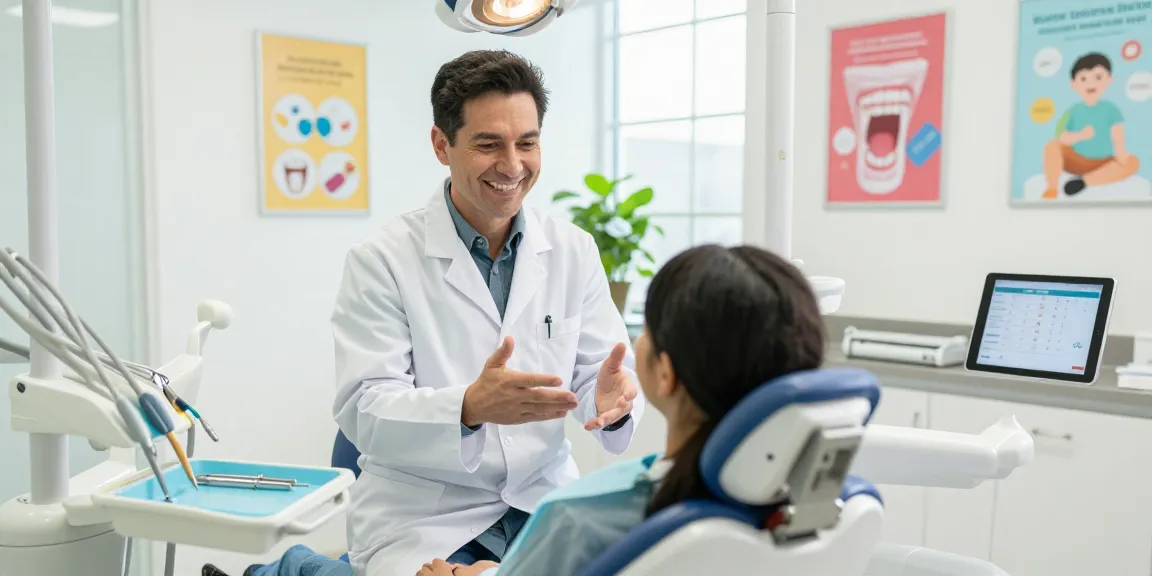
Understanding the Importance of Regular Dental Visits
Maintaining oral health is essential not just for your smile but for your overall health as well. Regular dental visits play a critical role in preventing dental issues, diagnosing potential problems early, and ensuring that your teeth remain healthy and functional for life. The significance of routine check-ups cannot be overstated, as they can save you from more severe complications down the road. To find a dentist near you, visit Dentee, where you can easily book an appointment and take the first step towards maintaining your oral health.
Why Routine Check-ups Matter for Oral Health?
Routine dental check-ups are vital to your oral health because they help in early detection of issues such as cavities, gum disease, and oral cancer. A dental professional can identify problems that you might not notice on your own, making these visits crucial for preventative care. Regular cleanings remove plaque and tartar build-up, thus reducing your risk of decay and disease.
Common Dental Issues Addressed During Visits
- Cavities: These are caused by decay and can lead to serious infections if not treated promptly.
- Gum Disease: Also known as periodontal disease, it can be a silent threat leading to gum recession and tooth loss.
- Oral Cancer: Regular visits allow for the early detection of abnormalities in your mouth.
- Tooth Sensitivity: This is often a sign of enamel erosion or gum recession, both of which need addressing.
The Long-term Benefits of Consistent Dental Care
Investing time in regular dental care not only helps maintain your smile but also contributes to your overall health. Research has shown links between oral health and systemic conditions such as heart disease and diabetes. Furthermore, individuals who maintain a consistent dental care routine tend to have fewer dental emergencies, resulting in lower costs and less stress in the long run.
How to Choose the Right Dentist for Your Needs
Selecting the right dentist is crucial for ensuring that your dental needs are met with care and precision. With countless options available, it's essential to identify a dentist who aligns with your preferences and requirements.
Factors to Consider When Selecting a Dentist
- Location: Choose a dentist who is conveniently located to make visits easier.
- Insurance Compatibility: Check whether the dentist accepts your dental insurance plan.
- Services Offered: Ensure the dentist provides the services you require, such as cosmetic, preventive, or restorative dentistry.
- Office Environment: Consider visiting for a consultation to assess the office atmosphere and staff friendliness.
Reading Reviews and Recommendations
One of the best ways to gauge a dentist's proficiency is by reading reviews from other patients. Online platforms and social media provide insights into patient experiences, helping you make informed decisions. Personal recommendations from friends and family can also be invaluable.
Understanding Dental Specialties and Their Importance
Different dentists may have varying areas of specialization, such as orthodontics, periodontics, or pediatric dentistry. Understanding these specialties can guide you in finding a dentist who can best address your specific dental issues. Always ask about their credentials and experience in areas pertinent to your needs.
Preparing for Your Dental Visit: What to Expect
Preparing for a dental appointment can help reduce anxiety and ensure that your visit is productive. Knowing what to expect can make your experience smoother and more comfortable.
Essential Questions to Ask Before Your Appointment
- What procedures will be performed during my visit?
- How do you handle dental emergencies?
- What preventive care options do you recommend?
- Will I receive a treatment plan detailing my care?
Documents and Information to Bring
Make sure to bring relevant documents such as your insurance card, identification, and any previous dental records. This information can help your dentist understand your history and provide the best care.
How to Overcome Dental Anxiety and Fear
If you struggle with anxiety related to dental visits, it may help to communicate your concerns to the dentist's office beforehand. Many practices offer options such as sedation dentistry or relaxation techniques to help patients feel more at ease during their appointments.
Maximizing Your Dental Appointment Experience
Making the most of your dental visit involves effective communication and understanding your treatment options. Here are some tips to enhance your experience.
Effective Communication with Your Dentist
Be open about your dental concerns, as well as your oral health history. This communication will enable your dentist to tailor their approach and provide you with personalized care.
Understanding Treatment Options and Costs
Ask detailed questions regarding any recommended treatments, including their benefits, risks, and costs. This understanding will empower you to make informed decisions about your dental health.
Follow-up Care: What You Should Know
Understand the protocols for follow-up visits and post-treatment care. Knowing what to expect after procedures can help manage your recovery effectively.
Future Trends in Dental Care by 2026
The dental industry is evolving, with new technologies and approaches to care emerging. Staying informed about these trends can help you make better choices regarding your dental health.
Technological Innovations in Dentistry
Advancements such as artificial intelligence, 3D printing, and virtual reality are enhancing diagnostic and treatment capabilities. These innovations aim to improve patient outcomes and streamline the dental experience.
Personalized Dental Care Plans and Their Impact
Customized dental care plans consider individual patient needs, preferences, and health conditions. This personalized approach is projected to improve patient satisfaction and treatment efficacy.
The Role of Telehealth in Dental Consultations
Telehealth services are becoming more prevalent, allowing patients to consult with dentists remotely. This can be particularly useful for follow-up appointments, minor concerns, or consultations.
What Should You Do if You Have a Dental Emergency?
In the event of a dental emergency, such as a tooth injury or severe pain, contact your dentist immediately. Many practices offer emergency services or can refer you to a specialist.
How Often Should You Visit the Dentist for Check-ups?
Most experts recommend visiting the dentist at least twice a year for routine check-ups. However, your dentist may advise more frequent visits based on your individual oral health needs.
What Are the Signs You Need to Change Your Dentist?
If you feel uncomfortable, unconsidered, or dissatisfied with the care you're receiving, it may be time to find a new dentist. Look for someone who meets your needs and makes you feel valued.
How Can Regular Dental Visits Save You Money?
Regular check-ups can prevent serious dental issues that lead to costly treatments. By addressing problems early, you can maintain your oral health without succumbing to expensive repairs.
What Should You Expect During Your First Visit to a New Dentist?
During your first visit, you can expect a comprehensive examination, X-rays if necessary, and a discussion about your dental history and treatment options. The dentist will also inform you about any required follow-up appointments.