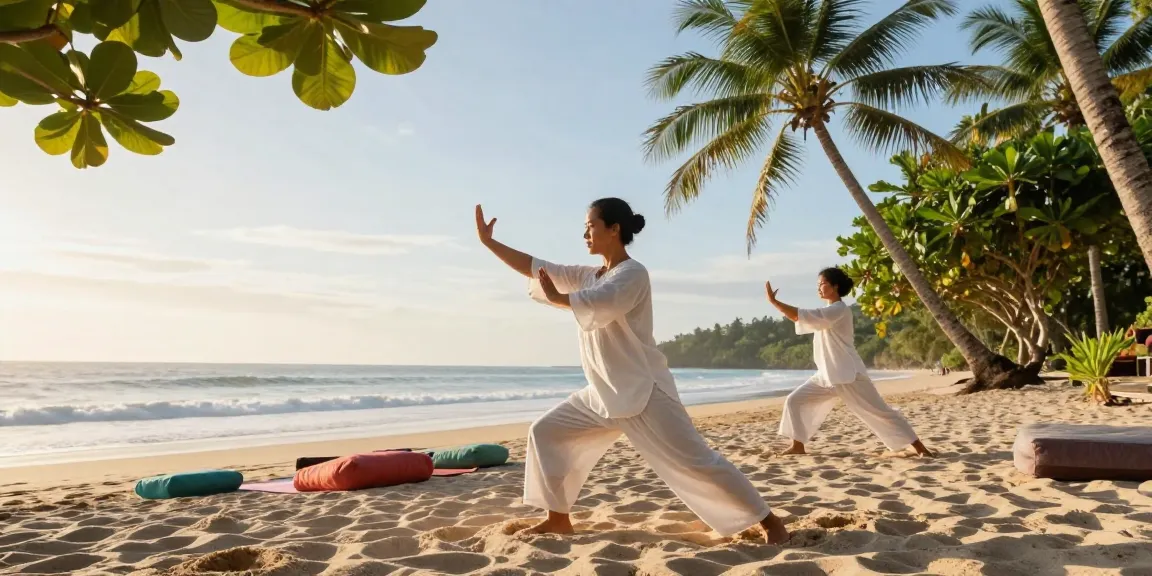
Introduction to Qi Gong in Bali
As Bali continues to emerge as a premier destination for wellness and spiritual retreats, one practice that has gained significant traction among tourists and locals alike is Qi Gong. This ancient Chinese discipline combines movement, breath control, and meditation, aiming to harness the vital energy known as "Qi." Whether you are a seasoned practitioner or a curious beginner, the tranquil surroundings of Bali offer a unique opportunity to enrich your Qi Gong practice. When exploring options, Qi Gong Bali provides comprehensive insights into retreats, workshops, and instructors available in this lush paradise.
Understanding Qi Gong: History and Benefits
Originating from ancient Chinese traditions, Qi Gong has roots that date back thousands of years. This holistic practice is designed not only to promote physical health but also to enhance spiritual well-being. The fundamental principles of Qi Gong revolve around the belief in the life force energy, or "Qi," flowing within and around us. By engaging in specific movements, breathing techniques, and mental focus, practitioners can cultivate, balance, and utilize this energy. The documented benefits of Qi Gong are extensive:
- Physical Health: Regular practice can improve muscle strength, flexibility, and cardiovascular health.
- Mental Clarity: Qi Gong enhances concentration and reduces stress, leading to improved mental clarity.
- Emotional Stability: The meditative aspects help in managing emotions and promoting a sense of calm.
- Spiritual Growth: Engaging deeply with Qi Gong can foster a higher state of awareness and connection with the universe.
The Essence of Qi Gong Bali
In Bali, the context of Qi Gong is enriched by the island’s stunning landscapes and spiritual heritage. Many practitioners find that the natural beauty of Bali enhances their experience, facilitating a deeper connection to both the practice and themselves. The serene beaches, lush rice fields, and tranquil mountains serve as the perfect backdrops for this practice, allowing for moments of reflection and inner peace. Moreover, the local culture merges seamlessly with Qi Gong, offering a unique perspective that blends traditional Balinese spirituality with ancient Chinese wisdom.
Why Practice Qi Gong?
Engaging in Qi Gong offers numerous advantages, making it an attractive choice for individuals seeking holistic health solutions. Beyond the physical benefits, many practitioners report experiencing enhanced mental and emotional resilience. With the fast-paced lifestyle prevalent in many parts of the world today, incorporating Qi Gong into one’s routine can serve as a counterbalance; helping individuals to unwind, recharge, and reconnect with their essence. Qi Gong is more than just a practice; it is a journey towards self-discovery and well-being.
Common Mistakes to Avoid in Qi Gong Practice
Misleading Techniques: What Not to Imitate
When learning Qi Gong, it's crucial to find reliable resources and instructors. Many individuals make the mistake of imitating videos or tutorials without a proper understanding of the techniques involved. Qi Gong relies on subtle movements and energy flow, which are often lost in poorly executed imitations. It’s advisable to learn from experienced teachers who can provide guidance tailored to your capabilities.
Overexertion: Recognizing Your Limits
Another common pitfall is overexertion. While Qi Gong emphasizes gentle movements, beginners might feel the urge to push their bodies too hard to achieve immediate results. This can lead to discomfort or injury. It’s essential to listen to your body and honor its limitations, gradually building strength and flexibility over time.
Poor Environment: Choosing the Right Setting
Your practice environment plays a crucial role in your Qi Gong experience. Practicing in a noisy or cluttered space can distract you from the meditative aspects of the practice. Seek out serene, outdoor locations near nature, where you can fully immerse yourself in the experience. In Bali, numerous stunning locations are specifically designed for wellness activities, providing the perfect environment for deep practice.
Best Practices for Effective Qi Gong
Integrating Breath and Movement
Effective Qi Gong practice necessitates a harmonious fusion of breath and movement. The breath acts as a bridge that connects the mind and body. Practitioners should focus on coordinating their breath with each movement, which enhances the flow of Qi and fosters a deeper connection to the practice. Techniques such as diaphragmatic breathing are particularly beneficial in promoting relaxation and enhancing energy flow throughout the body.
Daily Routines: Building Consistency in Practice
To reap the benefits of Qi Gong, consistency is key. Establishing a daily routine allows practitioners to develop a deeper connection to the practice over time. Even a short session of 15-20 minutes a day can yield significant benefits. Find a time that works best for you, whether it be in the morning to start your day positively or in the evening to unwind and reflect.
Choosing the Right Qi Gong Instructor
Finding a qualified instructor can greatly enhance your Qi Gong practice. Look for instructors who have extensive training and experience, along with a teaching style that resonates with you. Pay attention to their understanding of both the physical and energetic aspects of Qi Gong, ensuring they can guide you appropriately through your journey.
Experiencing Qi Gong in Bali: Where to Go
Top Qi Gong Retreats and Workshops
Bali is home to a variety of Qi Gong retreats and workshops that cater to different skill levels and interests. Some well-regarded options include:
- Forest Rock Qi Gong: Offering comprehensive courses that combine Qi Gong with elements of Traditional Chinese Medicine and mindfulness practices.
- AYANA Resort: Known for its morning Qi Gong sessions set against a breathtaking backdrop of nature, allowing for a truly immersive experience.
- Balipurnati: Hosts various retreats focusing on the integration of Qi Gong, meditation, and art, promoting holistic healing.
Local Experts vs. International Trainers
When exploring Qi Gong in Bali, you’ll find a diverse range of instructors, from knowledgeable local practitioners to internationally recognized teachers. Each brings unique perspectives and techniques, enriching your learning experience. Local experts often provide authentic insights rooted in Balinese culture, while international trainers may offer a broader spectrum of techniques influenced by global practices.
Natural Settings: Best Locations for Practice
The natural beauty of Bali provides a multitude of stunning locations for practicing Qi Gong. Some of the most favored sites include:
- Ubud's Rice Terraces: With sweeping views and a serene atmosphere, practicing Qi Gong amidst the rice fields enhances the connection to the earth.
- Mount Batur: Engaging in Qi Gong at sunrise on this sacred volcano can be a transformative experience, connecting practitioners with both nature and spirituality.
- Secluded Beaches: The calming sound of waves and sea breezes at Balinese beaches create a peaceful environment conducive to practice.
Future of Qi Gong in 2026 and Beyond
Emerging Trends in Wellness and Qi Gong
As we approach 2026, the wellness industry continues to evolve, with Qi Gong becoming increasingly popular among health-conscious individuals across the globe. There is a growing recognition of the importance of mental health, and Qi Gong's meditative aspects align perfectly with this trend. Additionally, modern adaptations, including online classes and workshops, are making Qi Gong more accessible than ever.
Impact of Technology on Traditional Practices
Technology is playing a significant role in the dissemination of Qi Gong practices. Online platforms are emerging as valuable resources for practitioners seeking to learn from experts worldwide. Virtual classes enable participants to engage from the comfort of their homes, breaking down geographical barriers and increasing accessibility. However, it’s essential for practitioners to ensure they are learning from credible sources to maintain the integrity of the practice.
Community Growth: Connecting Practitioners Worldwide
The rise of social media and online communities is fostering global connections among Qi Gong enthusiasts. These platforms offer opportunities for sharing experiences, tips, and resources, creating a sense of belonging in an otherwise fragmented world. As more individuals share their journeys, the Qi Gong community is likely to see increased participation, helping to preserve and promote this ancient practice.
What are the main benefits of practicing Qi Gong?
Practicing Qi Gong offers numerous benefits, including enhanced physical health, improved mental clarity, emotional stability, and spiritual growth. These elements combine to create a holistic approach to wellness that is beneficial to individuals of all ages.
How can beginners start learning Qi Gong effectively?
Beginners can effectively start learning Qi Gong by finding qualified instructors, engaging in beginner classes, and practicing regularly at home. Online resources and videos can also provide additional support to foster understanding.
What should I look for in a Qi Gong instructor?
When selecting a Qi Gong instructor, consider their qualifications, experience, teaching style, and your personal learning preferences. A good instructor should have a deep understanding of both the physical and energetic aspects of Qi Gong.
Are there specific styles of Qi Gong best for Bali?
In Bali, styles that emphasize relaxation and connection to nature, such as Medical Qi Gong and Tai Chi-inspired forms, may be particularly beneficial. These styles align well with the tranquil environment and spiritual atmosphere of the island.
What misconceptions exist about Qi Gong practice?
Common misconceptions include the belief that Qi Gong is solely for the elderly or that it requires significant physical strength. In reality, Qi Gong is adaptable for all ages and fitness levels, focusing on energy flow rather than brute strength.